
Ukrania
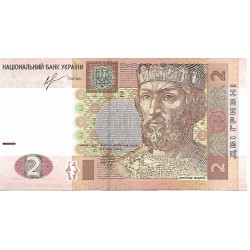
2013 - Ukraine 2 Hryvnia banknote PIC 117d UNC
Ukraine 2 Hryvnia banknote associated with 2013, listed under the catalogue reference PIC 117d. The ..
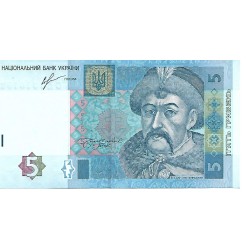
2013 - Ukraine 5 Hryvnia banknote PIC 118d UNC
Ukraine 5 hryvnia banknote associated with 2013, catalogued as PIC 118d. The denomination is stated ..
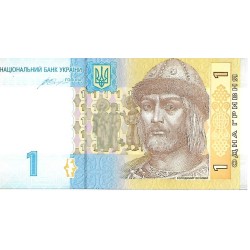
2014 - Ukraine 1 Hryvnia banknote PIC 116Ac UNC
This individual banknote is a 1 Hryvnia note from Ukraine, associated with 2014 and identified by th..
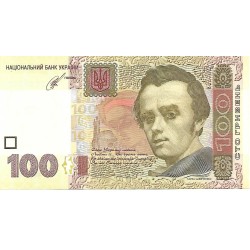
2014 - Ukraine 100 Hryvnia banknote PIC 122c UNC
This individual Ukraine 100 Hryvnia banknote is associated with the year 2014 and is identified by t..
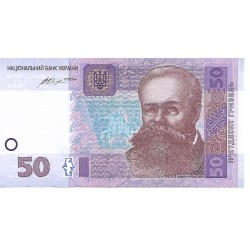
2014 - Ukraine 50 Hryvnia banknote PIC 121 UNC
This individual Ukraine 50 hryvnia banknote carries the 2014 date association shown in the product t..
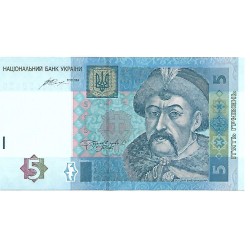
2015 - Ukraine 5 Hryvnia banknote PIC 118e UNC
Ukraine 5 hryvnia banknote associated with 2015, catalogued as PIC 118e. The denomination is stated ..
Frequently asked questions
Which periods and currencies are represented in the Ukraine banknote catalog?
This Ukraine category includes banknotes dated from 1991 to 2015. The catalog covers the karbovanets issues of 1991–1996, including denominations from 1 to 20,000 Karbovantsiv, and hryvnia notes dated from 1992 to 2015. Hryvnia denominations represented include 1, 2, 5, 10, 20, 50 and 100 hryvnia. These groupings describe the banknotes represented in this shop’s catalog, rather than every note issued in Ukraine.
Which notable denominations and Pick references can be found for Ukraine?
The catalog includes early karbovanets references such as P81, P82a/P82b, P83, P84, P88a, P90, P91a, P93a/P93b, P94c and P95b. Hryvnia references include P103, P104, P116-series, P117-series, P118-series, P119-series, P120b, P121 and P122-series notes. The denominations range from 1 Karbovanets and 1 hryvnia through higher values such as 20,000 Karbovantsiv and 100 hryvnia.
How can collectors distinguish variants in the Ukraine banknotes listed here?
Compare the denomination, printed year and Pick reference shown in the product title. Letter suffixes are especially useful: for example, the catalog includes P82a and P82b, P93a and P93b, and several P116, P117, P118, P119 and P122 variants. Notes with the same denomination may therefore have different references or years. Product images and descriptions should be checked alongside these identifiers when distinguishing one cataloged variant from another.
What condition terminology is used for the Ukraine notes in this catalog?
Most listed Ukraine banknotes are marked UNC, the standard abbreviation for uncirculated condition. One P120b 20 Hryvnia entry is marked XF, also described in its title as EBC, indicating a different condition designation from the UNC examples. Condition labels belong to individual product records, so collectors should read the specific title and description for the note they are examining. The catalog includes both condition categories rather than applying one grade to every banknote.
What should a buyer check before selecting a Ukraine banknote?
Check the denomination, date, Pick reference, variant suffix and condition listed for the specific Ukraine banknote. This is important where several similar notes appear, such as the 1, 2, 5 or 10 hryvnia denominations with different references and years. If condition matters, distinguish UNC listings from the P120b entry marked XF/EBC. Reviewing the product image and description can also help confirm that the selected note matches the intended catalog reference.
What pattern appears among the hryvnia varieties represented in the catalog?
The hryvnia section shows repeated denominations across multiple dated and lettered variants. The 1 hryvnia is represented by P116a, P116b, P116Aa, P116Ab and P116Ac; 2 hryvnia notes include P117a through P117d; and 5 hryvnia notes include P118a through P118e. Similar variation appears among the 10 hryvnia notes with P119a, P119Aa and P119Ac. This makes Pick suffixes and dates central to organizing these catalog entries.